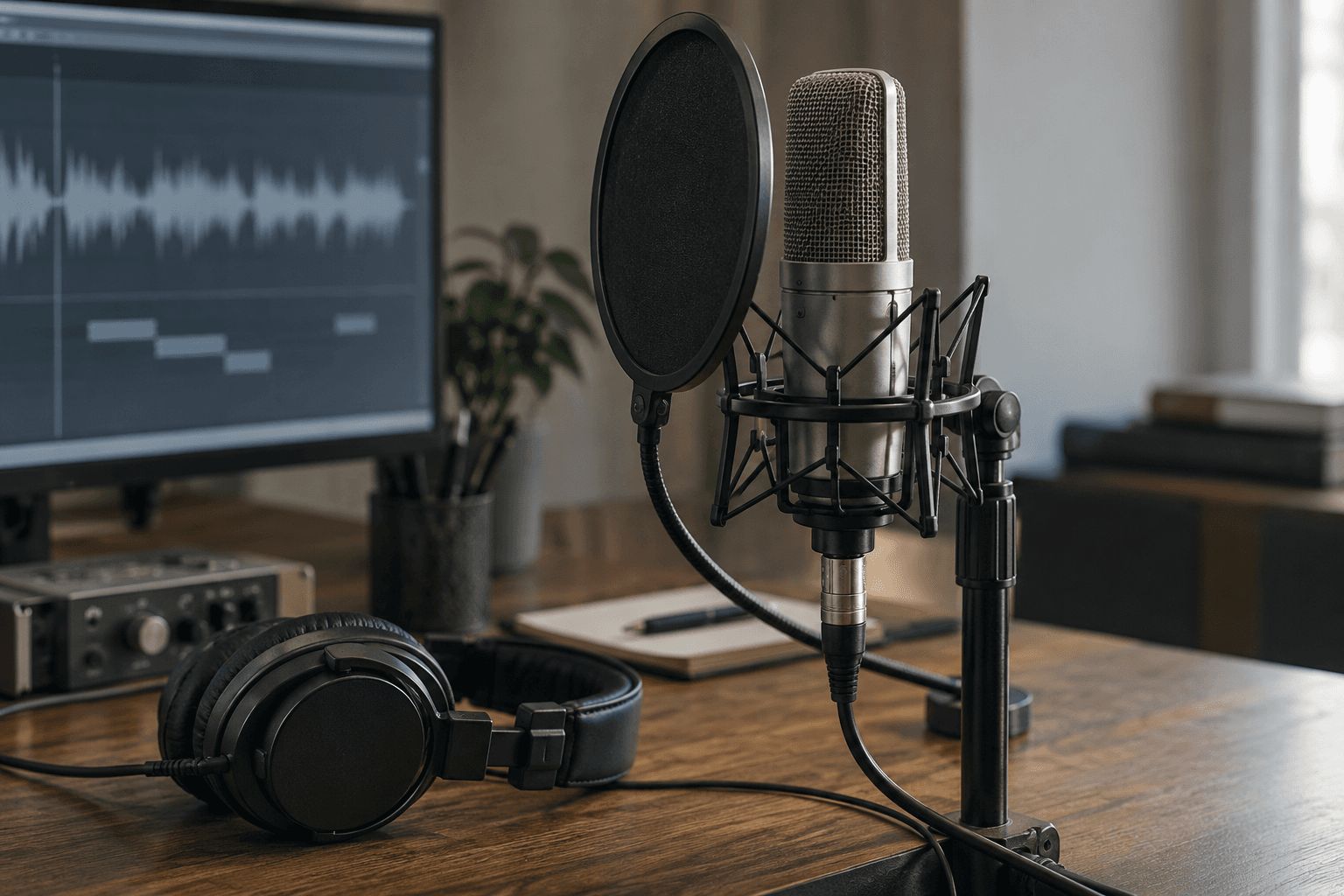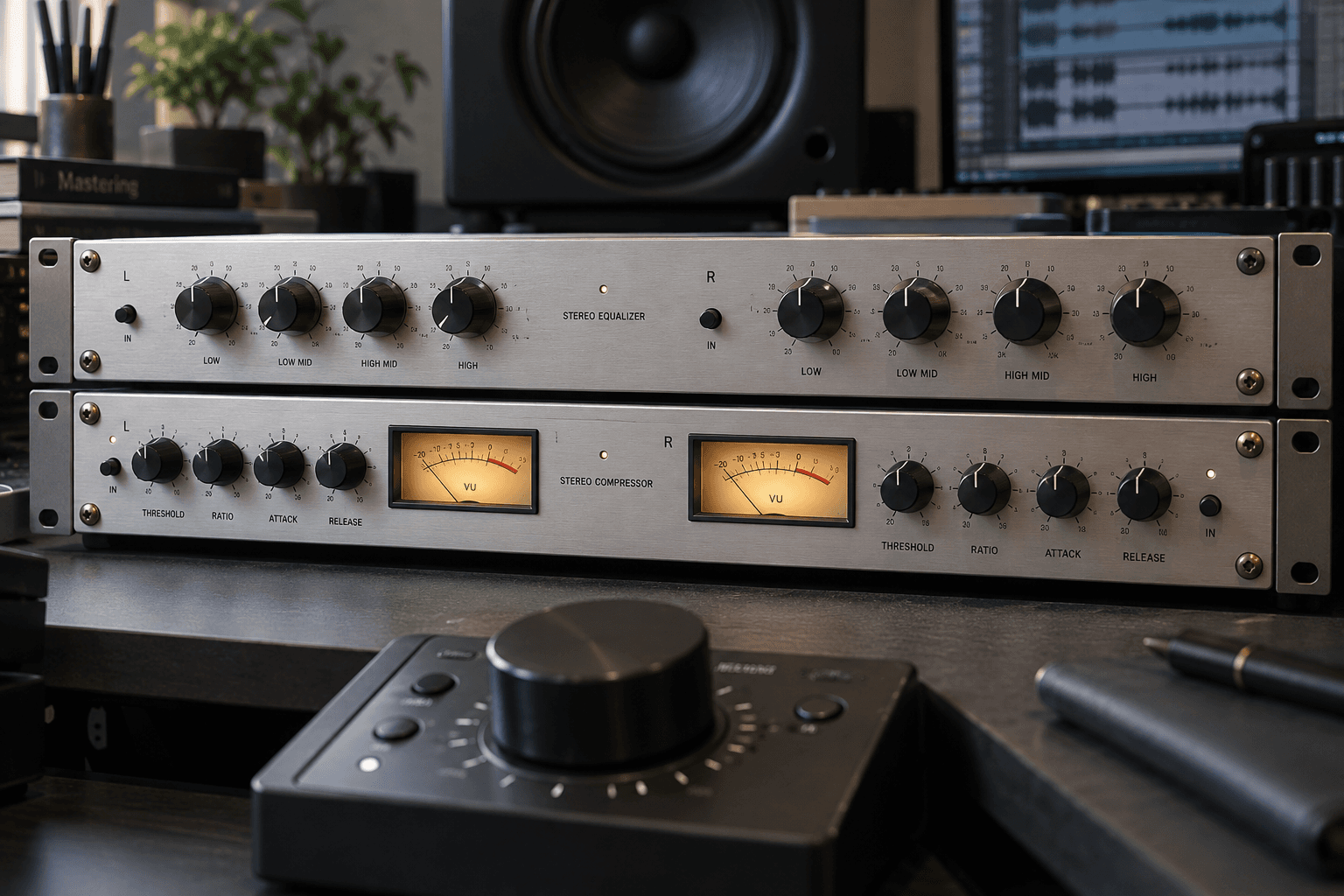
The analog-versus-digital argument in mastering is largely a false dichotomy. The processing should serve the music and the needs of the mix. Analog hardware can provide a particular color or compression behavior. Digital tools can offer precise adjustments and recallable settings. A project may use either approach or a combination.
What a hybrid chain can involve
A hybrid chain can convert digital audio to analog, pass it through equalization or compression, and convert it back to digital. Evaluate the complete signal path rather than assuming that an extra conversion or a particular circuit improves every mix. Compare versions at a similar listening level so that a louder version is not automatically preferred.
Review and delivery
Metering helps check loudness, true peaks and delivery formats. Playback and normalization can vary by service and listener settings, so confirm the current requirements of the destination. A LUFS number alone does not define a good master; evaluate dynamics, tonal balance and playback translation alongside the technical checks.
Choose by the result
Decide which processing the song needs, compare versions and listen on different systems. The aim is to preserve the intention of the mix and prepare a coherent delivery. The same chain does not need to be imposed on every project.